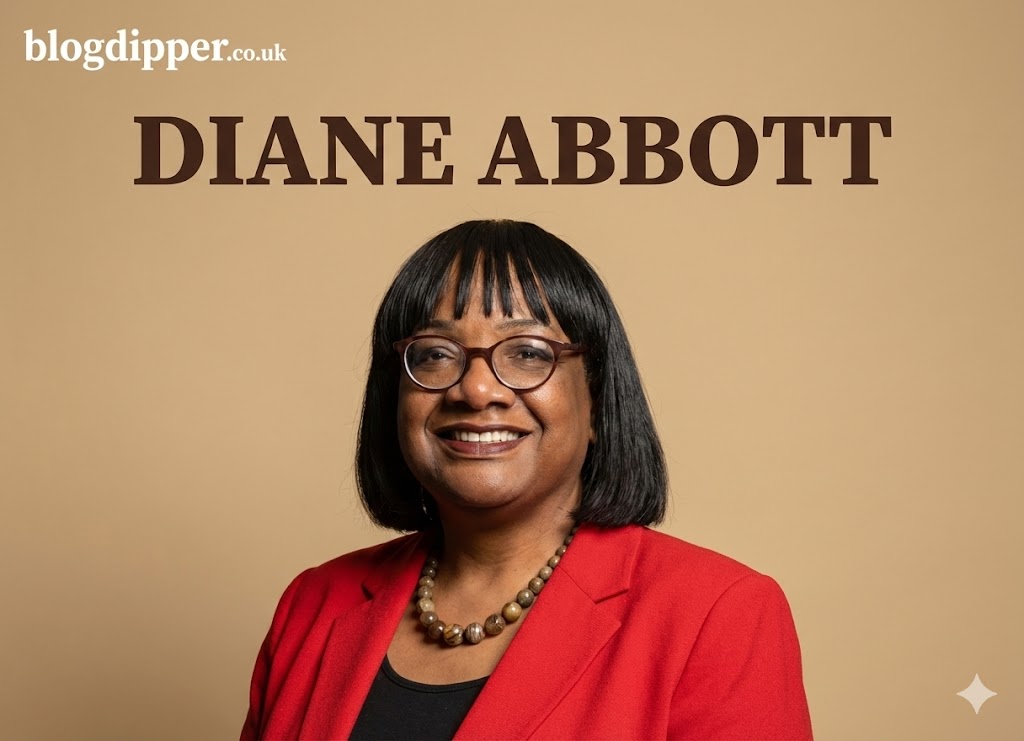
Diane Abbott is a name that resonates within the political landscape of the United Kingdom, both for her historic achievements and the controversies that have marked her career. As the first Black woman elected to the UK Parliament, Abbott’s life and career have been a blend of trailblazing milestones, unwavering advocacy for social justice, and intense scrutiny.
Early Life and Education
Diane Abbott was born on September 27, 1953, in Paddington, London, to Jamaican parents. Her upbringing in a working-class family in the 1950s and 1960s profoundly influenced her political views. Abbott’s parents, like many immigrants at the time, worked hard to provide for their family. Her father, a welder, and her mother, a nurse, instilled in her the values of hard work and the importance of education.
Abbott attended Harrow County Grammar School for Girls and went on to study History at Newnham College, University of Cambridge. Her time at Cambridge was a significant moment in her life, not just because of her academic achievements, but also because it was one of the first times she encountered systemic racism. Being one of the very few Black students at the university, Abbott became acutely aware of the barriers that minorities face in accessing opportunities.
Her education at Cambridge laid the groundwork for her commitment to social justice and equality. These values would become central to her political career.
Diane Abbott Entry Into Politics
Diane Abbott’s journey into politics began in the 1980s. After completing her education, she worked in various roles, including as a civil servant at the Home Office and as a race relations officer at the National Council for Civil Liberties. She also worked as a reporter for TV-AM and Thames Television. It was during this time that she began to take a more active role in local politics.
In 1987, Abbott made history by becoming the first Black woman ever elected to the UK Parliament. She won the Hackney North and Stoke Newington seat as a Labour MP, a position she has held ever since. Her victory was not just a personal achievement but also a historic milestone for Black representation in the British political system.
Advocacy and Leadership
Throughout her career, Diane Abbott has been a vocal advocate for racial equality, social justice, and the rights of marginalized communities. As an MP, she championed causes such as racial equality, immigration rights, and the fight against austerity measures that disproportionately affected the working class and ethnic minorities.
Abbott’s advocacy for civil liberties and human rights has been a hallmark of her political identity. She has consistently pushed for reforms in policing, criminal justice, and immigration laws. Her strong stance on these issues earned her a reputation as one of the most outspoken and fearless MPs in the UK.
Abbott served in various high-profile roles within the Labour Party’s shadow cabinet. She was appointed as Shadow Minister for Public Health in 2010, and in 2016, she became Shadow Home Secretary under Jeremy Corbyn’s leadership. Throughout these roles, Abbott worked tirelessly to advocate for policies aimed at improving healthcare, tackling inequality, and ensuring a fairer justice system.
Controversies and Criticism
Diane Abbott’s career has not been without controversy. As a high-profile Black female politician, she has faced significant racist and sexist abuse, both from the media and the public. Throughout her career, she has been subjected to online harassment, threats, and discriminatory treatment. However, Abbott has shown remarkable resilience in the face of such attacks, continuing to fight for the causes she believes in.
One of the most significant controversies in her career occurred in 2023, when Abbott wrote a letter to The Observer suggesting that the prejudice experienced by Jewish, Irish, and Traveller people was not the same as the racism faced by Black people. Her remarks sparked outrage and led to her temporary suspension from the Labour Party. Abbott later apologized for her comments, but the incident reignited debates about race and the boundaries of free speech within the Labour Party. Her suspension was lifted in 2024, but the controversy continued to haunt her, especially as she defended her views in a 2025 BBC interview, which led to a second suspension from the party.
Abbott has also faced scrutiny for her stance on certain political issues, particularly her position on Brexit. While she was a staunch supporter of remaining in the EU, her views on how to approach Brexit were seen as unclear by some within her own party. Her outspoken nature and willingness to challenge the party leadership have earned her both admiration and criticism.
Diane Abbott Personal Life and Health
Diane Abbott’s personal life has occasionally made headlines, particularly her relationship with her son, who faced legal troubles in 2020. Abbott’s son was involved in a legal case related to assault charges, which led to some public scrutiny. Despite these personal challenges, Abbott has remained focused on her political work, advocating for the causes that matter most to her and her constituents.
In recent years, Abbott has also faced health challenges, which have affected her ability to serve in certain roles. In 2024, she revealed that she had been dealing with Parkinson’s disease, a diagnosis that brought attention to the issues surrounding MPs’ health and the support they receive. Abbott’s openness about her condition sparked important conversations about disability in politics and the need for better support systems for politicians facing health challenges.
Diane Abbott Legacy and Future
Diane Abbott’s legacy is one of breaking barriers and fighting for justice. As the first Black woman to be elected to the UK Parliament, she has paved the way for greater diversity and representation in British politics. Her advocacy for racial equality, social justice, and civil liberties has made her a champion for marginalized communities in the UK.
Abbott’s career has been marked by both triumphs and controversies, but she remains an influential figure in British politics. Her willingness to speak out on issues that matter, even at great personal and political cost, has earned her respect among her supporters. Whether one agrees with her political views or not, Abbott’s contributions to British society cannot be denied.
Looking ahead, Diane Abbott’s influence will likely continue to shape political discourse in the UK. Her voice remains an important one in the ongoing conversations about race, equality, and justice. As she navigates the challenges of health and personal controversy, Abbott’s legacy as a trailblazer for Black women in politics remains firmly intact.
Conclusion
Diane Abbott’s life and career are a testament to the power of representation, resilience, and advocacy. She has broken barriers, championed the rights of the underprivileged, and used her platform to speak out on issues that matter to millions. Despite the controversies and challenges she has faced, Abbott’s impact on British politics is undeniable. As she continues her work as an MP and advocate, her legacy will inspire future generations of politicians to continue the fight for equality, justice, and representation.